
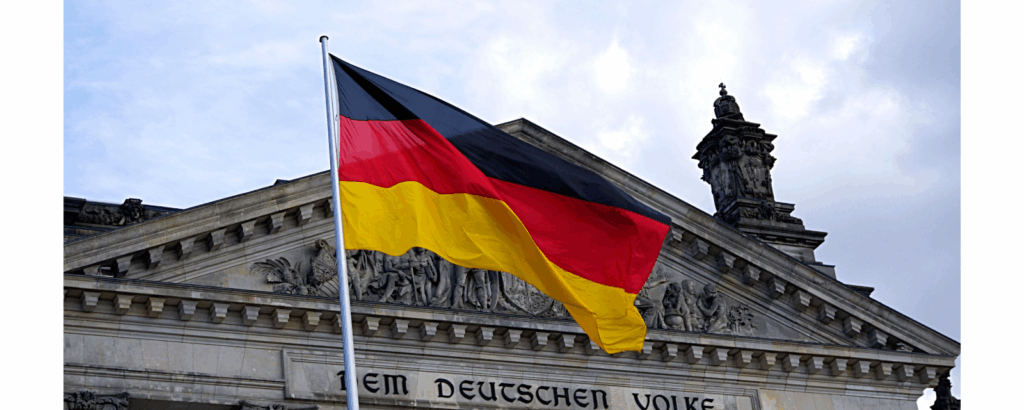
If you’re considering studying in Germany, you’re making a smart choice. Home to a robust economy, world-class universities and a growing international student community, Germany offers an exceptional environment for building a global career. In 2025, certain study programmes stand out for their job-demand potential, making them especially attractive for international students. This blog explores those “top courses” in Germany, why demand is high, what you can expect after graduation and how to pick the right path for you.
Why Germany is a great study destination
Before diving into courses, it’s important to understand why Germany is such a strong option for international students seeking high-demand careers as quoted by different educational consultants:
Germany is Europe’s largest economy and has strong industry-academia links, especially in engineering, IT and green technology.
Many public universities charge little or no tuition for EU or non-EU students, making it cost-effective.
Germany is actively recruiting skilled professionals (especially via the “Skilled Worker” visa/Blue Card) which means studying courses aligned with high-demand areas can lead to job opportunities. Onsite Jobs Hub+2Eleevate Overseas+2
The country is undergoing a transformation: digitalisation, renewable energy, Industry 4.0, autonomous vehicles — all of which generate demand for skilled graduates. Eleevate Overseas+1
For international students, German-language ability is a plus, but in many technical/IT fields English-taught programmes exist and German proficiency is less strictly required. Shiksha+1
In short: if you pick the right course, you combine the advantage of studying in Germany with strong employment prospects.
Top Courses with High Job Demand in 2026
Here are the key subject-areas that are especially in demand in Germany in 2026, what makes them attractive, and what you should consider. I focus on five major categories.
1. Computer Science, IT & Data Science

Why it’s hot:
Germany’s tech sector is increasing its demand for software developers, data scientists, cybersecurity specialists, cloud engineers.
Entry-level salaries in fields like computer science, data science can start around €40,000 and go up significantly.
Growth trends: for instance, data science and AI roles are growing strongly in Germany.
Recommended courses / specialisations:
BSc or MSc in Computer Science or Software Engineering
MSc in Data Science, Big Data Analytics
MSc in Cybersecurity, Cloud Computing
MSc in Artificial Intelligence & Machine Learning
What to check:
Is the programme taught in English or German? (English-taught is possible, but German adds advantage)
Does the curriculum include internships/industry projects? This boosts employability in Germany.
Does the university have strong links with industry or tech-startups?
Career outlook:
On graduation you could aim for roles such as Software Developer, Data Scientist, Cybersecurity Analyst, Cloud Architect. With German-language skills and some work experience you’ll increase your chances of landing jobs in German-based tech firms.
2. Engineering & Automotive / Mechatronics
Why it’s in demand:
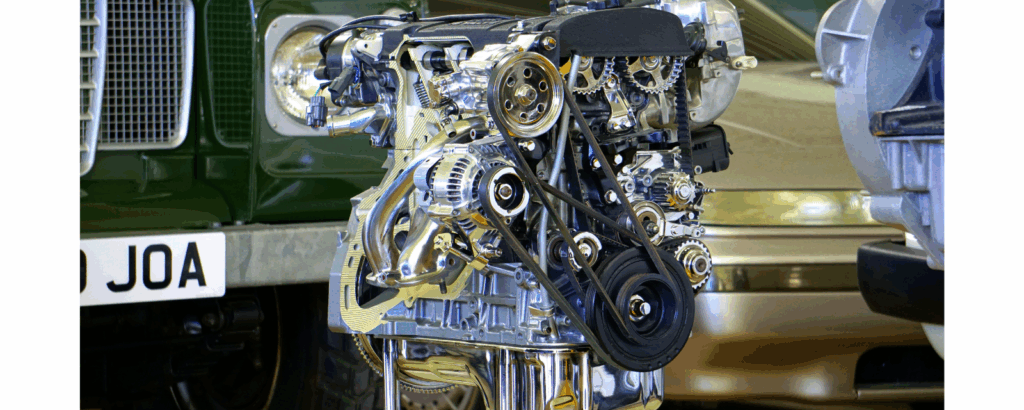
Germany is synonymous with engineering and the automotive industry (home to BMW, Mercedes‑Benz, Volkswagen). The transition to electric vehicles, automation and robotics creates new job demand.
Roles like mechanical engineers, automotive engineers, mechatronics technicians are flagged as high demand.
Recommended courses / specialisations:
BEng / MSc in Mechanical Engineering, Automotive Engineering
MSc in Mechatronics & Robotics
BSc/MSc in Electrical Engineering with a focus on automation or e-mobility
What to check:
Practical exposure: Germany places emphasis on applied learning and industry projects.
Specialisation in “green mobility” or “autonomous systems” is especially promising.
Language and work permit considerations – internships and work chances increase with German proficiency.
Career outlook:
You could join automotive OEMs, suppliers, engineering consultancies, research labs on topics like electric drivetrain, vehicle systems, automation, Industry 4.0. The combination of technical skill + mobility domain knowledge is powerful.
3. Artificial Intelligence & Machine Learning
Why it matters:
AI & ML are cross-cutting technologies influencing many sectors: automotive, healthcare, finance, logistics. Germany is investing in these.
High reward: starting salaries in AI/data science roles in Germany are reported to be very competitive.
Recommended courses / specialisations:
MSc in Artificial Intelligence, Machine Learning
MSc in Data Science with focus on AI/ML
Robotics & Intelligent Systems
What to check:
Research laboratories or industry partnerships in AI.
Emphasis on mathematics, programming, algorithms and applied projects.
English-taught programmes may exist, but proficiency in German can widen job options.
Career outlook:
Graduates can aim for roles like ML Engineer, AI Research Scientist, Data Analyst/Scientist with AI focus. Because this is a future-facing field, careers can evolve rapidly and globally.
4. Renewable Energy, Environmental Engineering & Logistics
Why it’s growing:
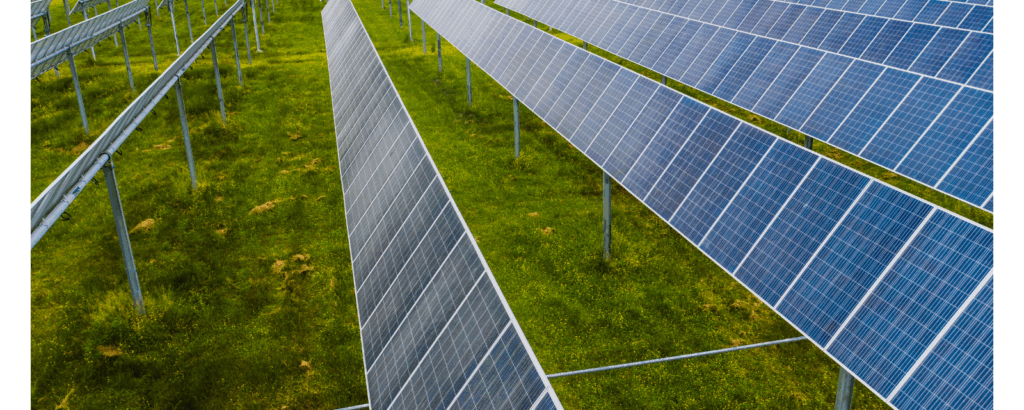
Germany has a strong national agenda for the energy transition (green jobs are increasing markedly).
As an export-oriented economy with advanced manufacturing, logistics and supply chain management are critical.
Recommended courses / specialisations:
MSc in Renewable Energy Systems, Sustainable Energy Engineering
MSc in Environmental Engineering, Climate Technology
MSc in Supply Chain & Logistics Management, International Logistics
What to check:
Does the programme involve field work or real-industry case-studies?
Are there internships with firms in the energy/logistics sector in Germany?
Language: Some roles may require German for on-site operations or local coordination.
Career outlook:
You could work as Renewable Energy Engineer, Sustainability Consultant, Environmental Planner, Logistics Manager, Supply Chain Analyst. These fields offer good stability and global mobility.
5. Business Administration, Management & Finance (with Tech/Logistics focus)

Why it’s relevant:
Germany’s economy needs skilled managers, supply-chain/logistics leaders, finance professionals who can operate globally.
Business programmes that combine management with specialisations like logistics, fintech, sustainability are increasingly attractive.
Recommended courses / specialisations:
MSc/MBA in Business Administration with Supply Chain/Logistics specialisation
MSc in Finance/Accounting for international markets
MSc in International Management, FinTech, Blockchain (for tech-savvy students)
What to check:
Does the programme emphasise industry exposure, internships, company projects?
Is there a strong alumni/job placement network?
Does it offer specialisation in emerging fields (fintech, sustainable business, etc.)?
Career outlook:
Graduates can aim for roles such as Supply Chain Manager, Logistics Director, Financial Analyst, Business Consultant, Fintech Product Manager. Combined with technical knowledge (e.g., data analytics), the business degree becomes even more valuable.
Key Considerations for International Students (especially from India/Asia)
Language: While many master’s programmes in Germany are offered in English, knowing German (B1/B2 or higher) adds greatly to your job prospects and everyday life. In healthcare or client-facing roles it may be mandatory.
Internships & Industry Links: As employers in Germany value practical experience, choose programmes that integrate internships or “dual study” models.
University & Accreditation: Check that your chosen university is recognised, and explore its industry partnerships, graduate outcomes, teaching language.
Cost & Fees: Many public universities in Germany charge no or low tuition for international students. But living cost, accommodation, health insurance still apply.
Job Market Realities: Despite demand, competition exists. Some students report challenges in landing jobs without German level C1 or strong direct experience.
Visa & Work Permit: After graduation, Germany offers opportunities (like the “Job Seeker Visa” or EU Blue Card) to stay and work. Research current rules.
Alignment with Your Strengths: Pick a course you’re genuinely interested in and will excel at — demand is one side, but success depends on your ability, interest and readiness.
Conclusion
Choosing to study in Germany in 2026 means you have a real opportunity to align your education with booming sectors and high-demand professions. Whether you lean towards Computer Science & AI, Engineering & Automotive, Renewable Energy & Logistics, or Business & Finance, the key is to pick a course with strong industry relevance, practical exposure and global employability.
Here’s a quick summary of recommended focus areas:
| Course Area | Why It’s in Demand | Ideal For |
|---|---|---|
| Computer Science & Data Science | Digital transformation, AI/ML, cybersecurity | Tech-savvy, programming interest |
| Engineering & Automotive | Germany’s engineering legacy + e-mobility | Those with strong maths/engineering interest |
| AI & ML | Cross-sector demand for algorithm/data experts | Those excited by cutting-edge tech |
| Renewable Energy / Logistics | Sustainability, export-oriented economy | Those with interest in long-term global trends |
| Business/Management with Tech focus | Combining management + emerging sectors | Those with leadership ambition + business mindset |
Tip: Don’t just chase “high demand” – ensure the course fits your strengths and interests, investigate the university’s placement record, and plan your German language skills and internships from the very start.
If you like, I can prepare a list of specific universities in Germany offering English-taught programmes in each of these top-demand areas (for the upcoming intake) with deadlines, fees and eligibility that match your profile. Would that interest you?
If so, send me an email to contact@studygroupinternational.com
All the best,
Team ISG.